

Cat Bite Injury Lawyer: Your Guide to Seeking Damages
Why Cat Bites Are Medically Significant
While a dog bite often causes crushing injuries or large lacerations, cat bites are deceptive. A cat’s teeth are like tiny, bacteria-coated needles. When a cat bites, those sharp teeth penetrate deep into the tissue, often reaching joints, tendons, and even bone. Because the entry wound is small, it often closes up quickly, trapping dangerous bacteria underneath the skin where they can thrive in an oxygen-poor environment.
The Danger of Pasteurella Multocida
The primary culprit in cat bite infections is Pasteurella multocida. Research shows that this specific bacterium is found in the mouths of 70% to 90% of all cats. Unlike many other infections that take days to appear, Pasteurella can cause redness, intense pain, and swelling within just a few hours.
If left untreated, these infections can lead to:
- Sepsis: A life-threatening systemic reaction to infection.
- Osteomyelitis: An infection of the bone that is notoriously difficult to treat.
- Infectious Flexor Tenosynovitis: A severe infection of the tendon sheaths in the hand that can lead to permanent loss of function.
Tendon and Nerve Damage
Because many cat bites occur on the hands or wrists, the risk of long-term impairment is high. There is very little soft tissue protecting the tendons and nerves in the hand. A single puncture can nick a nerve or introduce bacteria directly into a joint capsule. Statistics indicate that one in three hand or wrist bite cases leads to serious complications.
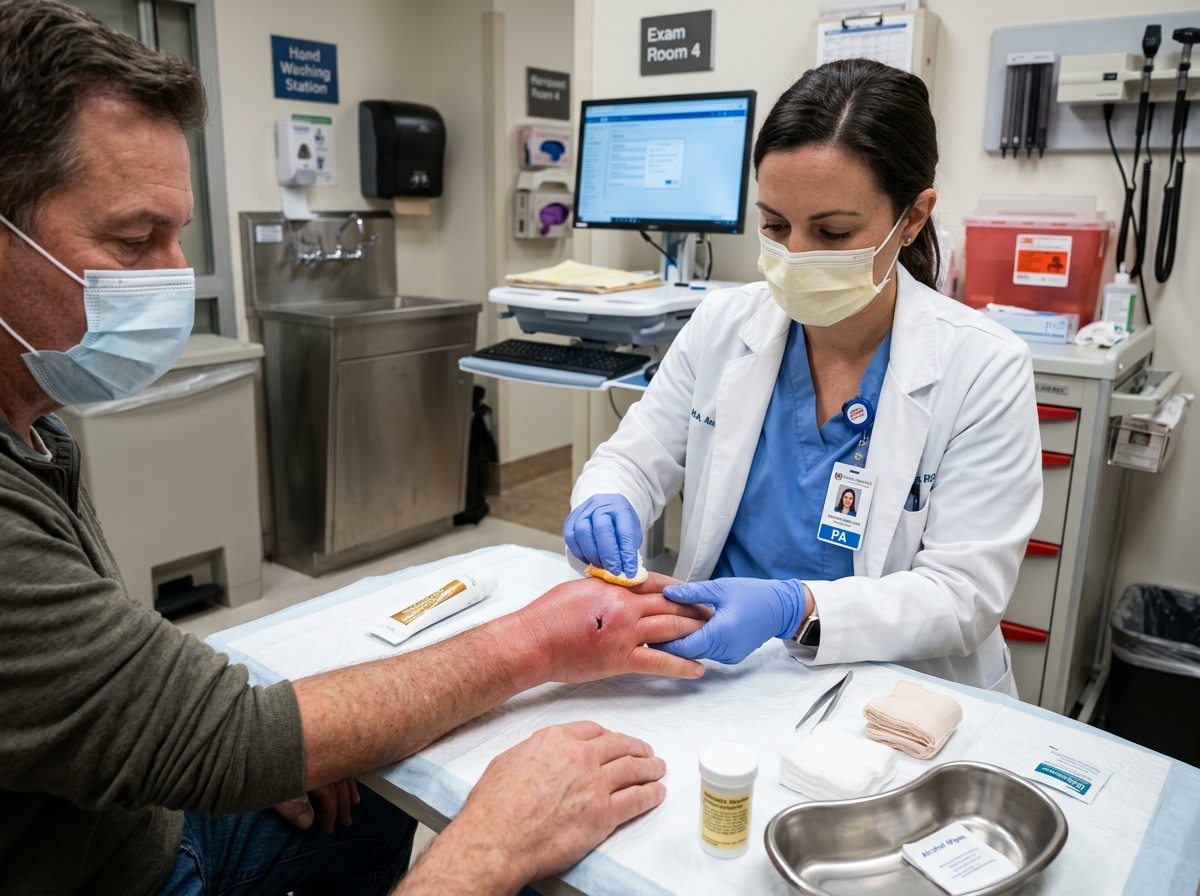
According to the World Health Organization, animal bites are a major cause of injury and disability. In our experience at Cullotta Bravo Law Group, we have seen clients who required multiple surgeries, including debridement (the surgical removal of dead tissue) and skin grafts, just to regain basic use of their hands. For more details on the specific risks associated with these animals, you can read more info about cat scratch injuries.
| Feature | Cat Bites | Dog Bites |
|---|---|---|
| Wound Type | Deep punctures (needle-like) | Lacerations, crushing, and tearing |
| Infection Risk | Very High (approx. 50%) | Moderate (approx. 10-15%) |
| Primary Bacteria | Pasteurella multocida | Pasteurella, Staph, Strep |
| Common Site | Hands and wrists | Arms, legs, and face |
| Surgical Need | High (debridement of deep tissue) | Moderate (repair of tears) |
Understanding Liability Under the Illinois Animal Control Act
In Illinois, the law is very clear about who is responsible when an animal attacks. Whether you are in Aurora, Chicago, Naperville, or Joliet, the Illinois Animal Control Act (510 ILCS 5/16) provides strong protections for victims.
Strict Liability
Illinois is a “strict liability” state. This means a cat bite injury lawyer does not have to prove that the owner was negligent or that they knew the cat was “vicious.” You don’t have to show that the cat had bitten someone before. To win a case under the Act, we generally only need to prove four things:
- The defendant owned or was responsible for the cat.
- The cat attacked, attempted to attack, or injured you.
- You were behaving peaceably.
- You had a legal right to be in the place where the injury occurred.
Provocation and Peaceable Conduct
The biggest hurdle in many cat bite cases is the issue of “provocation.” Under Illinois law, if you provoke the animal, the owner may not be held liable. However, provocation must be more than just petting the cat. Scientific research on provoked vs unprovoked bites suggests that while many bites occur during interaction, a bite is legally “unprovoked” if the victim’s actions were reasonable and did not involve hitting, kicking, or distressing the animal.
For example, if you are a guest in a home in Naperville and a cat jumps in your lap and bites you while you are sitting quietly, that is an unprovoked attack. If you were a child who accidentally stepped on a cat’s tail, the court might view that differently, though children are often held to a different standard of “peaceable conduct.”
Contributory Negligence
Illinois also uses a “modified comparative negligence” rule. This means if you were partially at fault for the incident (for example, 20% at fault), your compensation would be reduced by that percentage. If you are found to be more than 50% at fault, you cannot recover any damages. This is why having an aggressive cat bite injury lawyer is essential to counter any claims that you caused the attack. You can learn more info about dog bite laws in Aurora to see how these principles apply across different animal types.
How a Cat Bite Injury Lawyer Maximizes Your Compensation
When we take on a cat bite case at Cullotta Bravo Law Group, our goal is to ensure you are made “whole” again. This means pursuing every dollar you are owed for the physical, emotional, and financial toll the injury has taken.

Economic Damages
These are the tangible costs associated with your injury. We work with medical experts and economists to calculate:
- Medical Expenses: This includes the initial ER visit, hospital stays (which average three days for serious cat bites), IV antibiotics, surgeries, and physical therapy.
- Lost Wages: If you can’t work because your hand is in a cast or you’re recovering from surgery, you deserve to be paid for that time.
- Future Medical Costs: Many cat bite victims require reconstructive surgery or long-term treatment for nerve damage months or years after the initial bite.
Non-Economic Damages
These are the “human” costs of an injury, which are often the most significant part of a settlement:
- Pain and Suffering: The physical agony of the infection and the recovery process.
- Disfigurement and Scarring: Cat bites, especially if they become infected and require surgery, can leave permanent, visible scars.
- Loss of Enjoyment of Life: If you can no longer play an instrument, type, or enjoy hobbies due to hand stiffness or nerve impairment.
Our firm has a history of securing multi-million dollar settlements for our clients because we don’t just look at the bills you have today—we look at the impact this injury will have on the rest of your life. For a broader look at how we handle these cases, see more info about personal injury claims.
Crucial Evidence for Your Cat Bite Injury Lawyer
To build a winning case, we need to gather evidence as quickly as possible. The more documentation we have, the harder it is for insurance companies to deny your claim. We look for:
- Medical Records: The most important evidence. We need to show the severity of the infection and the treatments required.
- Animal Control Reports: In Illinois, bites must be reported. These reports provide an official record of the incident.
- Witness Statements: Anyone who saw the attack can testify that you were acting peaceably and did not provoke the cat.
- Photo Documentation: We need clear photos of the bite immediately after it happened and throughout the healing process.
- Veterinary History: We investigate if the cat had a history of aggression or if it was up to date on its rabies vaccinations.
- Quarantine Records: Illinois law requires biting animals to be quarantined for 10 days to observe for rabies.
Why You Need a Cat Bite Injury Lawyer for Complex Claims
Insurance companies often try to minimize cat bite claims. They might argue that “it’s just a cat scratch” or that you must have done something to annoy the pet. We know better.
We handle the insurance negotiations so you don’t have to. We know the tactics they use to lower settlements, and we don’t fall for them. If the insurance company refuses to offer a fair settlement, we are prepared to take your case to litigation. Our litigation strategy involves using expert testimony from doctors and animal behaviorists to prove the extent of your disability and the owner’s liability.
Immediate Steps to Take After a Cat Attack
If you or a loved one has been bitten by a cat in Chicago, Joliet, or the surrounding areas, what you do in the first few hours is critical for both your health and your legal case.
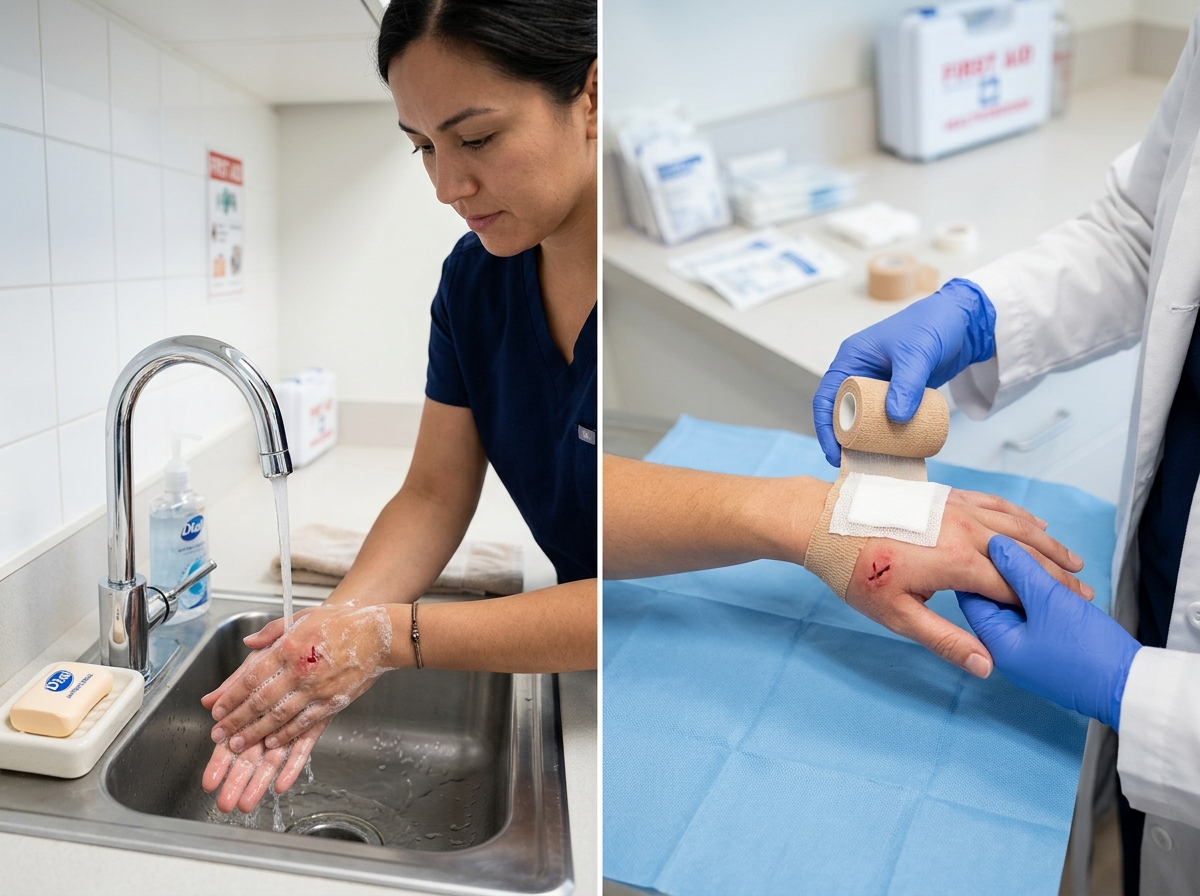
- Wash the Wound Immediately: Use warm water and mild soap. Flush the wound for at least five minutes. Do not scrub hard, as this can damage the tissue further.
- Seek Emergency Medical Care: Even if it looks like a minor puncture, go to an urgent care center or ER. Tell the doctor it was a cat bite so they can start the correct antibiotics (usually Augmentin) immediately.
- Identify the Owner and the Cat: Get the owner’s name, address, and phone number. Ask for the cat’s vaccination records.
- Report the Incident: Call your local animal control office (such as Naperville Animal Control at 630-420-6178 or the Chicago Department of Animal Care and Control). This creates an official paper trail.
- Take Photos: Document the wound, the location of the attack, and, if possible, the cat itself.
- Do Not Sign Anything: Do not talk to the owner’s insurance company or sign any “settlement” offers until you have spoken with a cat bite injury lawyer.
Post-Bite Legal Protections
- The Right to Compensation: Under the Illinois Animal Control Act, you have a statutory right to seek damages.
- Protection Against Retaliation: If the bite happened at a business, they cannot legally “ban” you for seeking medical coverage.
- Insurance Coverage: Most homeowners’ or renters’ insurance policies cover animal bites, meaning the money comes from the insurance company, not necessarily out of the neighbor’s pocket.
Frequently Asked Questions about Cat Bite Injuries
Can I sue if a stray cat bit me?
Suing for a stray cat bite is difficult because there is no owner to hold liable. However, you should still report the bite to animal control so the cat can be caught and tested for rabies. In some rare cases, if a business or property owner was “harboring” the stray (regularly feeding it and keeping it on the premises), they might be legally considered the “owner” under the Illinois Animal Control Act.
What is the statute of limitations for a cat bite in Illinois?
In Illinois, you generally have two years from the date of the bite to file a personal injury lawsuit. If the victim is a minor, the timeline may be extended. However, you should never wait. Evidence disappears and memories fade. Contacting a cat bite injury lawyer immediately ensures that we can preserve the evidence we need.
Does homeowners insurance cover cat bite settlements?
Yes. Approximately one-third of all homeowners’ liability claims are for animal bites. Most policies provide coverage for injuries caused by pets, even if the bite happened away from the owner’s property (like at a park or a pet store). This is good news for victims, as it ensures there is a source of funds to pay for your medical bills and pain and suffering.
Conclusion
A cat bite is not a “minor” injury. It is a medical emergency that can lead to permanent disability, astronomical medical bills, and significant trauma. At Cullotta Bravo Law Group, we treat every cat bite case with the seriousness it deserves.
With over 35 years of experience and a reputation for aggressive legal representation, we have the resources to take on big insurance companies and win. We serve clients throughout Illinois, including Aurora, Chicago, Naperville, and Joliet. We treat our clients with the dignity they deserve while fighting for the multi-million dollar settlements they need to rebuild their lives.
If you have been injured, don’t wait for the infection—or the insurance company—to get worse. Contact us today for a free consultation. For more information on your rights, visit our page on cat bite and scratch injuries. Let our family protect yours.