
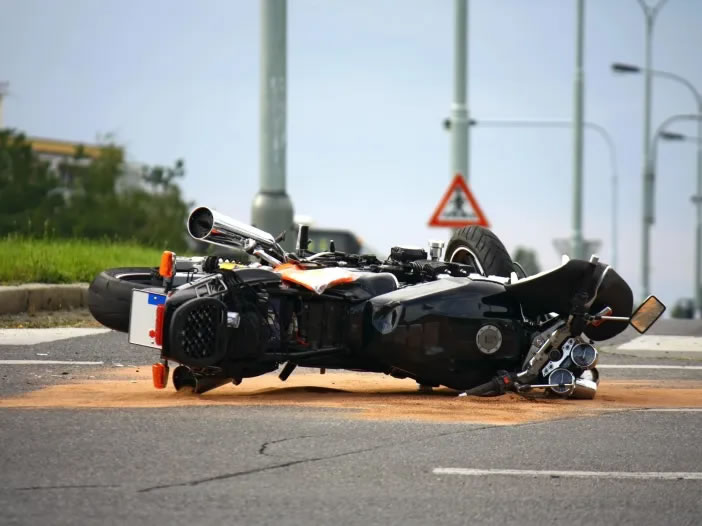
A pothole. A second of lost control. A serious injury. It happens faster than you can react. One moment you’re cruising down a familiar street; the next you’re sliding across asphalt because a crater-sized pothole launched you from your bike.
For motorcyclists, road hazards aren’t just inconveniences—they’re accidents waiting to happen that can turn an ordinary ride into a life-altering nightmare. If you were injured after hitting a pothole or other road defect, you may be wondering if you can hold the city accountable for their negligent road maintenance. The answer isn’t always straightforward, but in many cases, you can.
Illinois law recognizes that municipalities have a duty to maintain reasonably safe roads, and when they fail, injured motorcyclists have legal recourse. Here’s what to know—and why speaking with a motorcycle accident lawyer in Illinois should be your next move.
The State of Illinois Roadways
Illinois roads face a perfect storm of challenges that create hazardous road conditions for bikers.
The state’s harsh four-season climate takes a brutal toll on pavement infrastructure. Freezing winters cause water to expand in cracks, creating and enlarging potholes each spring. Summer heat causes asphalt to soften and buckle, while fall brings leaves and debris that can hide road defects. Spring thaw cycles are especially destructive, often revealing a fresh crop of potholes and pavement failures after each winter.
Beyond weather, Illinois carries heavy traffic loads on aging infrastructure. Major highways like I-94, I-55, and the Dan Ryan Expressway see constant wear from commercial trucks and high-volume traffic. Many local roads and city streets were built decades ago and struggle to handle modern traffic demands.
On top of all of this, budget constraints often force municipalities to prioritize emergency repairs over preventive maintenance, allowing minor issues to become major hazards. For motorcyclists, these deteriorating road conditions create disproportionate risks.
A pothole that barely registers to a car driver can launch a motorcycle rider into the air. Uneven pavement joints, cracked surfaces, and poor drainage that might cause a momentary bump in a vehicle can result in catastrophic loss of control for a motorcycle. The statistics reflect this reality—motorcycle accidents involving road hazards in Illinois often result in more severe injuries than similar incidents involving passenger vehicles.
Why Road Hazards are so Dangerous for Motorcyclists
Motorcycles offer agility, freedom, and efficiency on the road—but far less protection. Unlike cars and trucks, motorcycles lack structural enclosures, meaning the rider absorbs the full force of impact in an accident. With only two wheels in contact with the pavement, motorcycles are inherently less stable and more sensitive to surface irregularities.
Even minor road defects that would barely register to a car driver can result in major consequences for motorcyclists:
- Potholes and sudden drops can eject riders, bend wheels, or cause loss of control.
- Loose gravel or debris are especially dangerous during turns or sudden stops.
- Uneven pavement or raised manhole covers can disrupt a bike’s balance or traction.
- Poor drainage or standing water may cause hydroplaning.
The physics of motorcycle crashes make road hazard accidents particularly devastating. While these conditions may barely jostle a passenger vehicle, they can flip a motorcycle or throw a rider at high speed.
Motorcyclists also have no airbags, crumple zones, or seat belts to cushion impact—only protective gear and the ground. The resulting injuries often include traumatic brain injuries, spinal cord damage, broken bones, road rash, and internal bleeding. Recovery can take months or years, and many riders face permanent disabilities that fundamentally change their lives.
When is a City or Municipality Liable?
Cities and municipalities have a legal duty to maintain reasonably safe roadways for public use. That duty includes identifying and repairing dangerous conditions in a timely manner. But holding a government entity liable isn’t always straightforward.
To have a valid claim, a motorcycle accident lawyer in Illinois will look for a few key elements. If all these conditions are met, you may be able to recover compensation:
1. Duty of Care
The city or entity responsible for the roadway must have a legal obligation to maintain it. This typically applies to public roads, highways, and streets within municipal boundaries. However, determining which agency has responsibility can be complex. A pothole on a state highway may fall under the Illinois Department of Transportation’s jurisdiction, while a city street defect would be the municipality’s responsibility. (Note: Private roads or parking lots generally don’t trigger government liability.)
2. Notice of the Hazard
Liability typically hinges on whether the city had actual or constructive notice of the dangerous condition. Actual notice means they received specific reports about the hazard through citizen complaints, work orders, or direct observation by city employees. Constructive notice means the hazard existed long enough that the city reasonably should have discovered it through regular inspections or routine maintenance activities. The longer a pothole or road defect has been present, the stronger the argument for constructive notice becomes.
3. Failure to Act
Once a city has notice of a dangerous road condition, they must take reasonable action within a reasonable timeframe. This doesn’t necessarily mean immediate repair—temporary measures like warning signs, cones, or barriers may satisfy their duty while permanent repairs are scheduled. However, if a hazard poses an immediate danger and the city fails to provide any warning or protection, liability increases significantly. What constitutes a “reasonable” response time varies based on the severity of the hazard and available resources.
4. Causation and Damages
You must prove that the specific road hazard directly caused your motorcycle crash and resulting injuries. This means establishing that you wouldn’t have crashed but for the pothole, debris, or other defect. If other factors contributed to the accident—such as excessive speed, poor weather conditions, or mechanical failures—the city may argue that these intervening causes break the chain of liability. Clear documentation of the crash scene and expert accident reconstruction can be crucial for establishing this causal link.
Challenges to Suing a Government Entity
Government bodies benefit from a legal concept called “sovereign immunity,” which limits lawsuits against them. Fortunately, most states—including Illinois—have exceptions that allow individuals to sue for negligence under certain conditions. Expect the following challenges:
- Strict notice deadlines: In Illinois, you typically must file a Notice of Claim within one year of the incident, though some agencies require notice in as little as six months or even shorter periods. Missing this deadline can bar your claim entirely, regardless of its merit. The notice must include specific details about the incident, injuries, and damages, making early legal consultation crucial to ensure proper compliance.
- Special filing procedures: Some claims must go through the Illinois Court of Claims or local administrative processes before proceeding to regular court. State agencies often require claims to be filed through the Court of Claims, while municipalities may have their own administrative review processes. These procedures can be complex and unfamiliar to those used to standard personal injury litigation.
- Damage caps: Certain public entities may have statutory limits on how much they can be required to pay in damages, potentially capping recovery at amounts like $100,000 or $500,000 regardless of the actual harm suffered. These caps vary by jurisdiction and type of government entity. It’s important to understand the specific limitations that may apply to your case.
- Comparative fault arguments: The city may argue that you contributed to the crash by speeding, failing to see the hazard, not wearing proper protective gear, or riding under conditions that exceeded your skill level. Under Illinois’s comparative fault system, your compensation can be reduced by your percentage of fault—and if you’re found more than 50% at fault, you may recover nothing at all.
These cases demand thorough investigation and timely legal action. A motorcycle accident lawyer in Illinois will understand the procedural steps and nuances necessary to build a strong case.
What Evidence Can Strengthen Your Case?
The success of a road hazard claim often hinges on evidence that proves the city’s negligence and establishes the severity of your injuries. Building a compelling case requires demonstrating both that the city knew or should have known about the hazard and that they failed to take reasonable action.
The stronger your evidence, the better your chances of overcoming the city’s defenses and securing fair compensation. Key evidence includes:
- Photos and videos: Document the hazard, your motorcycle, and the crash site as soon as possible. Take multiple angles showing the size and location of the pothole or defect, your damaged motorcycle and gear, and the surrounding area. Time-stamped photos provide crucial evidence before repairs alter the scene.
- Witness statements: Bystanders may confirm the hazard or testify that it’s been present for some time. Look for nearby residents, business owners, or regular commuters who might have noticed the dangerous condition previously. Their testimony about how long the hazard existed can help establish constructive notice.
- Previous complaints: Records of past reports or repair requests can establish the city had notice of the specific hazard. This includes citizen complaints through city hotlines or online portals, as well as work orders from city departments. Your attorney can request these records through Freedom of Information Act requests.
- Public works documentation: Maintenance logs, inspection schedules, or repair requests may show delays or negligence in addressing known hazards. These internal documents can reveal whether the city followed proper protocols and how they prioritized repairs in your area.
- Accident reconstruction: Expert analysis can help tie the road defect to the crash dynamics and rule out other potential causes. Reconstruction specialists can analyze your speed, the hazard’s dimensions, and impact physics to demonstrate that the road defect was the primary cause of your crash.
Working with an attorney early ensures this evidence is preserved and obtained through the proper legal channels.
What Damages Could You Recover?
Courts recognize that motorcycle accidents often result in more severe injuries than car crashes, which can translate to higher damage awards when liability is established. The amount you can recover depends on the severity of your injuries, the extent of your financial losses, and how the crash impacted your daily life.
If you succeed in proving the city’s liability for your motorcycle crash, compensation typically falls into two main categories:
1. Economic damages
Economic damages cover your documented financial losses from the crash. This includes emergency medical treatment, hospital bills, ongoing rehabilitation costs, lost wages, and future earnings if your injuries affect your ability to work. You can also recover costs for motorcycle repair or replacement and damaged safety gear.
For motorcyclists with severe injuries, economic damages can be substantial—spinal cord injuries, traumatic brain injuries, and multiple fractures often require extensive medical care, specialized equipment, and long-term rehabilitation that can cost hundreds of thousands of dollars.
2. Non-economic damages
Non-economic damages compensate for how your injuries have affected your quality of life. This includes pain and suffering from your injuries, emotional distress like anxiety or depression, loss of enjoyment of activities you can no longer participate in, and compensation for permanent disability or disfigurement that impacts your daily life.
For many bikers, losing the ability to ride represents a profound loss that goes beyond transportation—it affects their sense of freedom, community, and identity. Courts often award significant non-economic damages in motorcycle cases, recognizing the unique lifestyle impact these injuries create.
Successfully recovering damages in a road hazard case requires thorough documentation of all your losses and their connection to the crash. Working with an experienced motorcycle accident lawyer in Illinois ensures that no aspect of your damages goes uncompensated and that you receive the full value your case deserves under Illinois law.
The Critical Importance of Acting Quickly
Time is your most valuable asset in a road hazard claim against a municipality. Every day that passes gives the city more opportunity to repair the pothole that caused your accident, potentially destroying crucial evidence. Once a hazard is fixed, proving its exact size and dangerous characteristics becomes exponentially more difficult.
Evidence deterioration also happens rapidly after crashes. Weather washes away debris, traffic alters skid marks, witnesses’ memories fade, and security footage gets overwritten within weeks. Municipal governments often prioritize quick repairs of reported hazards partly to limit their legal exposure—repair crews may be dispatched within days of learning about an accident.
A motorcycle accident lawyer in Illinois can immediately preserve crucial evidence by sending preservation notices to the city, hiring investigators to document the scene, and filing necessary legal notices within strict deadlines. The difference between acting immediately and waiting even a few weeks can determine whether you have a viable case at all.
Holding the City Accountable
Motorcyclists deserve safe roads—and accountability when public agencies fail to maintain them. While suing a city may sound daunting, it’s possible with the right legal strategy, strong evidence, and a deep understanding of municipal liability law.
If you’ve been injured in a motorcycle accident caused by a pothole or road defect, don’t try to navigate the legal process alone. The team at Cullotta Bravo Law Group has extensive experience holding municipalities accountable and fighting for the rights of injured riders. Contact us today for a free consultation and let an experienced motorcycle accident lawyer in Illinois help you pursue the justice and compensation you deserve.