

Anoxic Brain Injury Lawyer: Expert 2025 Champion
When Every Minute Counts: Understanding Your Rights After Brain Oxygen Loss
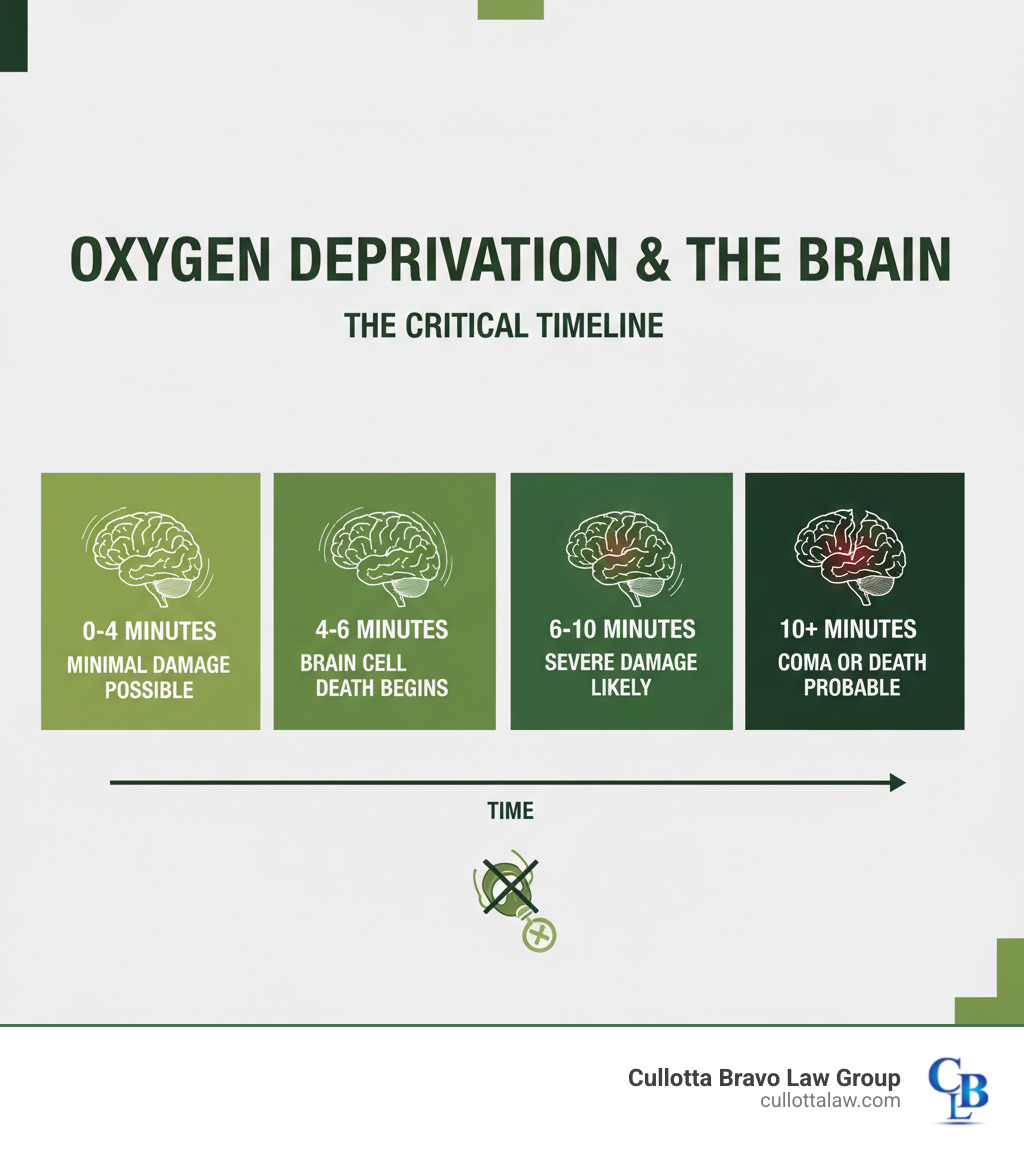
When the brain is deprived of oxygen for four minutes or longer, brain cells begin to die, leading to devastating and permanent damage. Victims often face memory loss, loss of coordination, mood swings, and even coma or death. If this happens due to someone else’s negligence, you have legal rights.
An anoxic brain injury lawyer specializes in these complex cases. They can help if the injury was caused by:
- Medical errors during surgery, anesthesia, or childbirth
- Near-drowning, choking, or carbon monoxide exposure
- Workplace accidents
- Mismanagement of a stroke or cardiac arrest
A lawyer investigates the incident, proves negligence by consulting medical experts, and secures compensation for medical bills, lost wages, and pain and suffering. They work on a contingency basis, meaning you pay no fees unless you win.
The financial and emotional burden of an anoxic brain injury is crushing. You shouldn’t face it alone. Holding the responsible parties accountable can provide the resources your family needs for long-term care and stability.
I’m Peter Cullotta, and for over 35 years, I’ve represented injured individuals throughout the Chicagoland area in catastrophic brain injury cases. As an anoxic brain injury lawyer, I work directly with families to build strong cases and pursue the full compensation they deserve, whether through negotiation or trial.
The Silent Threat: Understanding Oxygen Deprivation and Brain Health
Your brain needs a constant supply of oxygen to function. When that supply is cut off, the damage begins almost immediately. Without oxygen, brain cells start to die in a process called apoptosis. This isn’t a slow process—brain cell death can begin in as little as four minutes.
After these critical first minutes, permanent impairment to memory, coordination, speech, and personality becomes increasingly likely. These injuries are life-altering and fall under the category of Catastrophic Injuries.
What makes these injuries so challenging is that they are often invisible. A person might look fine externally, but their brain has suffered serious damage. The effects—confusion, mood swings, and loss of coordination—may emerge gradually, leaving families struggling to understand the changes in their loved one.
If negligence caused this brain damage, an anoxic brain injury lawyer can help you hold the at-fault party accountable and secure the resources your family needs for the long road ahead.
Anoxic vs. Traumatic Brain Injury: Key Differences and Causes
Brain injuries can be devastating, but they aren’t all the same. Understanding the difference between anoxic and traumatic brain injuries is crucial for both medical treatment and legal action.
What is an Anoxic Brain Injury?
An anoxic brain injury occurs when the brain receives no oxygen. A related condition, hypoxic brain injury, involves a restricted oxygen supply. Both lead to the same outcome: brain cells die, and the damage is often permanent. For more medical details, see this hypoxic vs. anoxic brain injury explained resource. The brain’s memory center, the hippocampus, is especially vulnerable, which is why many survivors struggle with memory loss.
Distinguishing from Traumatic Brain Injuries (TBI)
The key difference is the cause: TBIs result from external force, while anoxic injuries have an internal cause (oxygen starvation). A TBI happens when a physical impact, like in a car accident or fall, causes the brain to collide with the skull. You can learn more on our Traumatic Brain Injuries page. An anoxic injury involves no external blow; the damage comes from a lack of oxygen.
| Feature | Anoxic Brain Injury | Traumatic Brain Injury (TBI) |
|---|---|---|
| Cause | Complete lack of oxygen to the brain | External physical force or impact to the head |
| Common Symptoms | Memory loss, confusion, difficulty concentrating, mood changes, loss of coordination | Headaches, dizziness, confusion, memory problems, mood changes, sensitivity to light |
| Recovery | Depends on duration of oxygen loss; most improvement in first 6 months; often permanent damage | Varies widely; mild TBIs may resolve fully; severe cases may require long-term rehabilitation |
Common Causes of Anoxic Brain Injury
Many anoxic brain injuries are preventable and result from negligence. Common causes include:
- Medical Malpractice: Anesthesia errors, birth injuries, surgical complications, or medication errors that cause respiratory or cardiac arrest. A failure to meet the standard of care is often the root cause of medical malpractice as a cause of these injuries.
- Near-Drowning Incidents: Often due to inadequate supervision at a pool or dangerous property conditions.
- Choking and Suffocation: Can result from defective products or being trapped in an unventilated space.
- Carbon Monoxide Poisoning: This odorless, colorless gas from faulty furnaces or generators can prevent blood from carrying oxygen to the brain.
- Stroke or Cardiac Arrest: Mismanagement by healthcare providers, such as delayed treatment, can turn a recoverable event into a permanent brain injury.
- Other Causes: Drug overdoses and workplace accidents in high-risk environments can also cut off oxygen supply.
In these scenarios, someone’s negligence often makes the difference. An anoxic brain injury lawyer investigates what happened to hold the at-fault party accountable.
Recognizing the Signs and Navigating Recovery
The journey after an anoxic brain injury is long. Recognizing the signs and understanding the recovery process are crucial first steps for families.

Signs and Symptoms of Anoxic Brain Damage
Symptoms can appear immediately or develop gradually. They vary depending on the severity of oxygen deprivation. Seek immediate medical attention if you notice any of the following after an incident:
- Cognitive Symptoms: Memory loss (especially recent events), confusion, difficulty concentrating, slowed thinking, or personality changes.
- Physical Symptoms: Loss of coordination or balance, slurred speech, muscle weakness or stiffness, seizures, and persistent headaches.
- Emotional Symptoms: Severe mood swings, depression, anxiety, irritability, or apathy.
Prompt medical evaluation is critical. Our page on Why Head To The Doctor Right Away? Common Tests For Head Injuries explains this in more detail.
The Long Road to Recovery
Recovery is a marathon. While severe cases can result in permanent impairment, many people see meaningful improvement with dedicated rehabilitation.
The first six months are typically when the most rapid recovery occurs, making this a vital window for intensive therapy. By the one-year mark, the long-term prognosis is often clearer.
Recovery requires a team approach involving:
- Physical Therapy: To restore movement, strength, and balance.
- Occupational Therapy: To relearn daily living skills like dressing and cooking.
- Speech Therapy: To address communication and swallowing difficulties.
- Counseling: To manage the cognitive, emotional, and behavioral changes for both the survivor and their family.
The goal is to help the brain “rewire” itself around damaged areas. While full recovery is rare, significant gains are possible. The financial and emotional strain on families is immense, which is why an anoxic brain injury lawyer can be essential in securing resources for long-term care, similar to how we assist with other complex claims like Back and Neck Injury Cases: What Do They Settle For?. You don’t have to face this journey alone.
Seeking Justice: When to Hire an Anoxic Brain Injury Lawyer
When negligence causes an anoxic brain injury, the path forward involves not just medical recovery, but also seeking justice. An experienced anoxic brain injury lawyer is essential for this process.

Can I Sue for an Anoxic Brain Injury?
Yes, if someone else’s negligence caused the injury. To build a successful case, we must prove four elements:
- Duty of Care: The at-fault party had a legal responsibility to act with reasonable care (e.g., a doctor’s duty to a patient).
- Breach of Duty: They failed to meet that standard of care.
- Causation: This failure directly caused the oxygen deprivation and resulting brain injury.
- Damages: The injury resulted in actual harm, such as medical bills, lost wages, and suffering.
Viable claims often arise from medical malpractice, birth injuries, car accidents, workplace accidents, and near-drowning incidents. These situations fall under the umbrella of Personal Injury law, the foundation of our practice at Cullotta Bravo Law Group.
How an Anoxic Brain Injury Lawyer Proves Negligence
Proving negligence in these cases requires a meticulous combination of medical and legal expertise. Our process includes:
- Immediate Investigation: We gather all evidence, including accident reports, surveillance footage, and witness statements.
- Medical Record Analysis: We build a complete medical timeline to understand what happened, when the damage occurred, and the long-term prognosis.
- Expert Consultation: We work with neurologists, life care planners, and other specialists to establish the standard of care, show how it was breached, and prove causation.
- Calculating Damages: We document all current and future costs, including lifetime medical care, lost earning capacity, and the non-economic impact on your quality of life.
With over 35 years of Experienced Personal Injury representation, we know how to build compelling cases that hold negligent parties accountable. Our experience across Aurora, Chicago, Naperville, and Joliet ensures thorough preparation and aggressive advocacy for every client.
Building Your Case: Compensation and Legal Timelines
After an anoxic brain injury, understanding your right to compensation and the legal timelines involved can provide a sense of control and help you plan for the future.
What Compensation Can an Anoxic Brain Injury Lawyer Secure?
We pursue compensation that covers your family’s needs both now and in the future. This includes:
-
Economic Damages: These are calculable financial losses. This covers all past and future Medical Expenses, from emergency care to long-term rehabilitation. It also includes lost wages and, for severe injuries, a lifetime of lost earning capacity. We work with life care planners to project costs for ongoing therapy, home modifications, and specialized equipment.
-
Non-Economic Damages: These compensate for intangible but devastating losses. This includes pain and suffering, emotional distress, loss of enjoyment of life, and loss of consortium (for the impact on a marital relationship). An anoxic brain injury lawyer knows how to document these losses to show The Real Cost of a Personal Injury: Medical Bills, Lost Wages, and Non-Economic Damages.
Legal Deadlines and Case Duration
In Illinois, you must act quickly. The statute of limitations sets a strict deadline for filing a lawsuit. For most personal injury claims, you have two years from the date you finded the injury (or reasonably should have finded it) to file. Medical malpractice cases have similar rules but can be more complex.
The findy rule may extend this deadline if an injury wasn’t immediately obvious, but it’s always safest to contact a lawyer early to protect your rights.
How long will your case take? Complex anoxic brain injury cases can take months or even years to resolve. The process involves a thorough investigation, negotiation with insurance companies, and, if a fair settlement isn’t offered, litigation and a potential trial. While we aim for an efficient resolution, our priority is securing a result that provides true long-term security for your family.
Frequently Asked Questions about Anoxic Brain Injury Claims
Facing an anoxic brain injury brings a flood of questions. Here are answers to some of the most common concerns we hear from families in Aurora, Chicago, Naperville, and Joliet.
How much does it cost to hire a lawyer for a brain injury case?
We offer a free initial consultation to review your case and explain your options. We handle these cases on a contingency fee basis, also known as “no win, no fee.” This means you pay no upfront costs. Our fee is a percentage of the compensation we recover for you. If we don’t win your case, you owe us nothing. This allows you to access top-tier legal help without any financial risk.
What is the difference between anoxic and hypoxic brain injury?
While the terms are similar, the distinction is important:
- An anoxic brain injury occurs when the brain receives no oxygen at all.
- A hypoxic brain injury occurs when the brain receives some oxygen, but not enough.
Both conditions are extremely serious, cause brain cells to die, and can lead to severe, permanent damage. From a legal perspective, if negligence caused either type of injury, you are entitled to seek compensation.
My loved one is in a coma. Can we still file a lawsuit?
Yes, absolutely. If your loved one is incapacitated, a family member can be appointed as a legal guardian by the court. This guardian has the authority to file a lawsuit and make legal decisions on their behalf. We can guide you through this process.
It is critical to act quickly, as evidence can be lost and legal deadlines (the statute of limitations) still apply. If the injury tragically results in wrongful death, the family can file a claim to seek compensation for their losses.
Contacting an anoxic brain injury lawyer early protects your family’s future and ensures that if negligence was involved, the responsible parties are held accountable.
Take the First Step Towards Justice and Recovery
An anoxic brain injury changes a family’s life forever. When that injury was caused by someone’s carelessness, the sense of injustice can be overwhelming. You do not have to carry this burden alone.
Holding negligent parties accountable is about securing the resources your family needs for long-term care, rehabilitation, and financial stability. It ensures your loved one has the best possible quality of life moving forward.
At Cullotta Bravo Law Group, we have spent over 35 years fighting for families like yours across Aurora, Chicago, Naperville, and Joliet. We combine aggressive representation with genuine compassion, treating every client with the dignity they deserve. Your family’s future matters to us.
If your family has been affected by an anoxic brain injury, take the first step. Contact an experienced personal injury lawyer in Naperville for a free, confidential consultation. There is no obligation—just honest guidance when you need it most. Let us put our experience to work for you.