

Brain injury lawyer Naperville: Best 2025 Experts
Understanding the Impact of Brain Injuries in Naperville
A brain injury lawyer Naperville can help you secure compensation for medical expenses, lost wages, pain and suffering, and long-term care costs after a traumatic brain injury caused by someone else’s negligence.
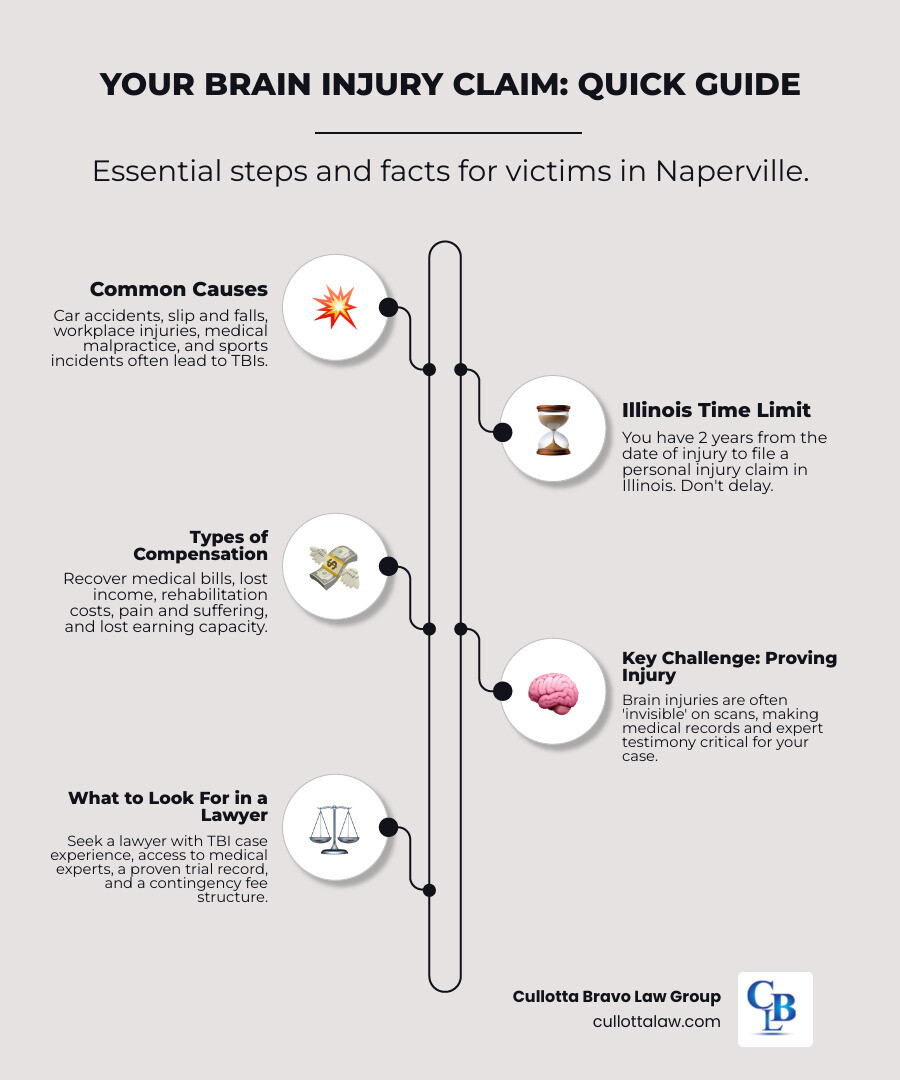
Quick Guide: When You Need a Brain Injury Lawyer in Naperville
- Common Causes: Car accidents, slip and falls, workplace injuries, medical malpractice, sports injuries
- Time Limit: You have 2 years from the date of injury to file a personal injury claim in Illinois
- Types of Compensation: Medical bills, lost income, rehabilitation costs, pain and suffering, loss of earning capacity
- Key Challenge: Brain injuries are often “invisible” on imaging tests, making medical records and expert testimony critical
- What to Look For: Experience with TBI cases, access to medical experts, proven trial record, contingency fee structure
Brain injuries are a silent epidemic. The CDC estimates millions of concussions and traumatic brain injuries occur annually in the U.S. These injuries range from mild to severe and can be profoundly debilitating, preventing people from working, completing daily tasks, or enjoying life.
The reality is stark: many brain injuries don’t appear on CT scans or MRIs. Symptoms can be delayed for weeks or months, making diagnosis difficult. Often, family members are the first to notice personality changes, forgetfulness, or mood shifts.
Most brain injuries result from car accidents, falls, workplace incidents, and sports injuries. When caused by another’s negligence—like a distracted driver or unsafe property—victims face mounting medical bills, lost income, and severe emotional distress.
This guide will help you understand:
- How to recognize brain injury symptoms and why immediate medical care matters
- Your legal rights under Illinois law and critical deadlines
- The types of compensation available to brain injury victims
- How to choose the right attorney to fight for your recovery
I’m Peter Cullotta, a trial lawyer with over 35 years of experience representing injured people in the Chicagoland area, including as a brain injury lawyer Naperville families trust. I have secured millions for clients with traumatic brain injuries and understand the medical and legal complexities these cases present.
Basic brain injury lawyer Naperville vocab:
Recognizing a Brain Injury: Symptoms, Diagnosis, and Long-Term Effects
A brain injury can turn your world upside down physically, emotionally, and cognitively. Understanding the signs and diagnosis is the first step toward recovery and seeking justice.
Common Symptoms You Cannot Ignore
Brain injury symptoms can be physical, sensory, cognitive, or emotional. They may appear immediately or be delayed for weeks or months. This delay makes it crucial to be aware of the signs and seek medical attention even after a seemingly minor head injury.
Here are some of the common symptoms of a brain injury:
- Physical Symptoms:
- Loss of consciousness (even brief)
- Feeling dazed, confused, or disoriented
- Vomiting or nausea
- Dizziness and balance problems
- Headaches (persistent or severe)
- Body numbness or tingling
- Fatigue or drowsiness
- Loss of coordination
- Sensory Symptoms:
- Blurred vision or dilated pupils
- Ringing in the ears (tinnitus)
- Sensitivity to light or sound
- Cognitive Symptoms:
- Difficulty with memory or concentration
- Difficulty with speech, such as slurring words
- Slowed thinking or processing information
- Emotional Changes:
- Mood changes (irritability, anxiety, depression)
- Feeling depressed or anxious
- Difficulty sleeping or changes in sleep patterns
Family and friends often play a key role in identifying these changes. They may notice subtle shifts in personality, memory, or mood that the injured person or even doctors initially overlook. These observations are critical for diagnosing injuries without obvious immediate signs.
Concussion vs. Traumatic Brain Injury (TBI)
A concussion is a type of traumatic brain injury (TBI), though the terms are often used interchangeably. The Concussion Legacy Foundation defines a concussion as a serious injury from the rapid acceleration or deceleration of brain tissue within the skull, which damages tissue and disrupts normal brain function.
The Mayo Clinic defines TBIs as injuries from a violent blow or jolt to the head or body, causing the brain to shift within the skull. TBIs are classified by severity:
- Mild TBI: This includes concussions and often involves a brief change in mental status or consciousness. Despite being called “mild,” these injuries can still have significant and long-lasting effects.
- Moderate TBI: Involves a loss of consciousness lasting from a few minutes to several hours, or confusion lasting days to weeks.
- Severe TBI: Characterized by a prolonged period of unconsciousness or coma after the injury.
Medical professionals use the Glasgow Coma Scale (GCS) to assess severity. This tool evaluates consciousness based on eye, verbal, and motor responses. Scores range from 3 to 15:
- Scores from 3 to 8 indicating a severe brain injury
- Scores from 9 to 12 indicating a moderate brain injury
- Scores from 13 to 15 indicating a mild brain injury
Understanding the distinction and severity of these injuries is crucial, as it impacts both medical treatment and legal strategies. For more detailed information, you can explore our resources on Traumatic Brain Injuries.
The Importance of Diagnosis and Medical Care
Seeking immediate medical attention for any suspected brain injury is paramount, even if it seems minor. A ‘minor’ injury can lead to serious long-term complications if not properly addressed.
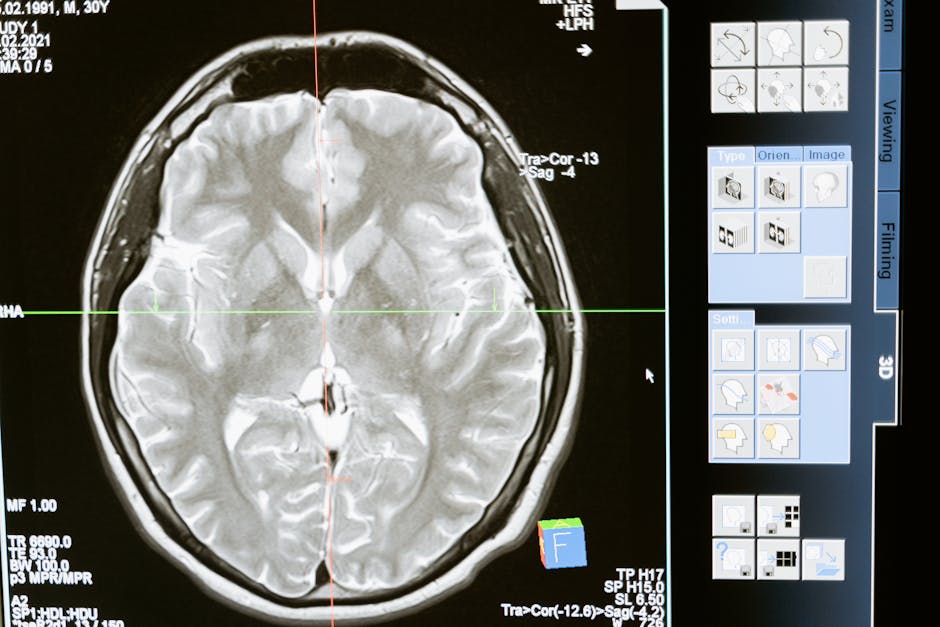
While CT scans and MRIs can diagnose some brain injuries by showing bleeding, clots, or swelling, they don’t tell the whole story. Many injuries, especially concussions and mild TBIs, won’t appear on these scans. Therefore, a comprehensive clinical exam focusing on symptoms and neurological function is often the primary diagnostic tool.
A physician’s care, especially from a neurologist, is vital. They monitor your condition, recommend treatments, and help prevent long-term complications. Without proper care, brain injuries can lead to serious health issues, including:
- Epilepsy
- Dementia
- Alzheimer’s disease
- Parkinson’s disease
These complications can severely impact quality of life and require extensive, ongoing medical care. Early diagnosis and intervention can make a world of difference in your recovery.
For more insights into the diagnostic process and the importance of prompt medical care, we encourage you to review our guide on Why Head to the Doctor Right Away? Common Tests for Head Injuries. You can also find the Latest CDC TBI data for more statistics on the prevalence of these injuries.
Your Legal Rights: Navigating a Claim with a Brain Injury Lawyer in Naperville
If another’s negligence caused your brain injury, your focus should be on recovery. Navigating a personal injury claim is overwhelming, but understanding your rights is crucial. A skilled brain injury lawyer Naperville can advocate for you.
Common Causes of Brain Injuries in Naperville
Brain injuries can result from many types of accidents, often caused by another’s carelessness. Any significant impact to the head or body can cause a brain injury.
Here are the most common causes we see in and around Naperville:
- Car Accidents: These are a leading cause of brain injuries. A sudden blow or jolt to the head, or even the rapid acceleration and deceleration of the vehicle, can cause the brain to impact the inside of the skull. Our team has extensive experience with Car Accident Lawyer in Naperville cases.
- Slip and Falls: Falls, particularly those involving elderly individuals or falls from heights, are a frequent cause of brain injuries.
- Workplace Accidents: Explosive blasts or falls from machinery are common causes of brain injuries in occupational settings.
- Sports Injuries: Contact sports carry a high risk of concussions and other traumatic brain injuries.
- Medical Malpractice: Brain injuries can result from negligent medical care, such as a missed diagnosis, surgical errors, or oxygen deprivation during a procedure.
- Defective Products: Malfunctioning machinery, poorly designed safety equipment, or other defective products can directly lead to head trauma.
- Violent Assaults: Intentional acts of violence can result in severe head trauma and brain injuries.
Regardless of how your brain injury occurred, if it was due to someone else’s negligence, you may have a legal claim for compensation.
Illinois Statute of Limitations: A Critical Deadline for Your Claim
In Illinois, time is critical when pursuing a personal injury claim. The law has strict deadlines, or statutes of limitations, for filing lawsuits. Missing them means you forfeit your right to seek compensation.
For most personal injury lawsuits, including brain injuries, the Illinois statute of limitations is two years from the date of the accident (735 I.L.C.S. § 5/13-202). This two-year window is crucial for preserving evidence, interviewing witnesses, and building a strong case. Delaying can weaken your claim.
Medical malpractice cases have different rules. Under 735 I.L.C.S. § 5/13-212(a), you have two years from the date you find the injury, but no more than four years after it occurred. This “findy rule” is relevant for brain injuries whose cause or existence isn’t immediately apparent.
If malpractice occurred when the injured party was a minor, the timeline is extended. A minor has eight years to file a case, but no later than their 22nd birthday (735 I.L.C.S. § 5/13-212(b)). This acknowledges that childhood injuries may not be fully understood until later.
Given these complex deadlines, it’s best to contact a brain injury lawyer Naperville residents trust as soon as possible. Our team can help you understand the specific deadlines that apply to your situation.
You can review the specific Illinois statute of limitations for personal injury claims here: Illinois statute 735 ILCS 5/13-202.
Proving Your Case: Overcoming Legal Challenges
Brain injury cases are medically and legally complex. Proving the injury’s extent and its link to the negligent act requires meticulous detail and an understanding of the challenges. Head injuries are among the most complex and serious injuries a person can sustain.
Here are some common challenges when proving brain injury cases:
- The “Invisible” Injury: Most brain injuries don’t appear on CT or MRI scans. This makes it hard to objectively “see” the damage, leading insurers to dispute the injury’s severity or existence.
- Delayed Symptom Onset: Doctors may not find a brain injury immediately after an accident. Symptoms like personality changes or headaches can appear weeks or months later. These delayed symptoms make it harder to link the injury to the incident without robust evidence.
- Insurance Company Disputes: Insurance companies aim to minimize payouts. They often argue the injury is less severe than claimed, pre-existing, or unrelated to the accident. They may also challenge the need for extensive medical treatment or long-term care.
- Complexity of Medical Records: Brain injury medical records are extremely important but can be extensive and difficult to interpret. We work closely with medical experts to decipher these records.
- Need for Expert Witness Testimony: Expert witness testimony is crucial to overcome these challenges. Neurologists, neuropsychologists, and life care planners can provide essential insight into the injury, its long-term impact, and future care needs. They help connect the incident, diagnosis, and projected recovery costs.
Our experience as a brain injury lawyer Naperville residents rely on has taught us how to effectively manage these problems. We know how to gather medical evidence, counter insurance company tactics, and leverage expert testimony to build a compelling case. For more on the difficulties of personal injury claims, read our article: Personal Injury Lawyer Naperville: The Hard Parts.
Securing Your Future: Compensation for Brain Injury Victims
A brain injury has a lasting impact on your physical abilities, emotional well-being, and financial stability. If caused by another’s negligence, you shouldn’t bear this burden alone. As your brain injury lawyer Naperville, we are dedicated to recovering comprehensive compensation. Damages can be considerable, as victims often face severe disabilities and medical complications, leading to a startlingly high financial and emotional toll.
What Types of Compensation Can a Naperville brain injury lawyer Recover?
Our goal is to secure compensation for all your losses, current and future. This includes:
- Economic Damages: These are quantifiable financial losses directly resulting from your injury.
- Medical Expenses (Current & Future): This includes everything from emergency room visits and hospital stays to long-term care and specialized equipment. We work to ensure future costs are fully accounted for.
- Lost Wages: If your injury prevents you from working, you can claim compensation for the income you’ve already lost.
- Loss of Earning Capacity: This accounts for the future income you would have earned had the injury not occurred, as many victims cannot return to their previous job.
- Rehabilitation Costs: Recovery often involves extensive cognitive, speech, occupational, and psychological therapy. These costs are a crucial part of your claim.
- Property Damage: If your injury occurred in an accident that also damaged your property (e.g., a car accident), those costs can also be recovered.
For more information on how we evaluate injury claims, you might find our article on Back and Neck Injury Cases: What Do They Settle For? insightful, as many principles apply across injury types.
Valuing Non-Economic and Punitive Damages
Beyond financial costs, brain injuries cause immense emotional and psychological suffering. These “non-economic damages” are just as real and also deserve compensation:
- Pain and Suffering: This compensates you for the physical pain and discomfort you endure from your injury, both now and in the long term.
- Emotional Distress: Living with a brain injury can lead to significant psychological trauma, including anxiety, depression, PTSD, and personality changes.
- Loss of Enjoyment of Life: A brain injury can prevent you from participating in activities, hobbies, and social interactions you once loved.
- Loss of Consortium: If your injury impacts your relationship with your spouse, they may be able to claim damages for the loss of companionship and support.
While non-economic damages are subjective, they should be monetarily compensated. Our team works with experts to articulate the full extent of your suffering to ensure fair valuation. These damages are often central to claims involving Catastrophic Injuries.
In rare cases, punitive damages may be available. These punish the defendant for egregious conduct and deter future actions. In Illinois (735 I.L.C.S. § 5/2-1115.05), they may be awarded if the defendant’s actions “shocks the conscience” and actual damages are also awarded. Punitive damages are capped at three times the economic damages. We must prove by “clear and convincing evidence” that the defendant acted with an evil motive or reckless indifference to others’ safety. While a high bar, our aggressive representation means we explore every avenue for justice.
Choosing Your Advocate: How to Hire the Best Naperville Brain Injury Lawyer
Selecting the right legal representation is a critical decision after a brain injury. A skilled and compassionate brain injury lawyer Naperville can make all the difference in your case’s outcome and your ability to rebuild your life. We believe your case is too important for anything less than aggressive representation.
Essential Qualities of a Top brain injury lawyer Naperville
When searching for an attorney, look for these qualities indicating their ability to handle complex brain injury cases:
- Extensive TBI Case Experience: You need a lawyer with a proven track record handling similar cases in Illinois who understands the medical nuances of brain injuries.
- Proven Trial Record: While many cases settle, you want an attorney prepared to go to trial. A strong trial record shows the opposing side they are serious about fighting for maximum compensation.
- Access to Medical Experts: Proving a brain injury requires testimony from neurologists, neuropsychologists, and life care planners. A top attorney will have established relationships with these experts.
- Compassion and Dignity: You need a legal team that treats you with respect and understands the emotional toll of your situation. We pride ourselves on our client-centered approach.
- Contingency Fee Structure: Reputable personal injury lawyers work on a contingency fee basis, meaning you don’t pay attorney fees unless we win your case.
- Aggressive Representation: We aggressively fight insurance companies to get you the compensation you deserve. You need a team tough enough to stand up against large corporations.
For general guidance on what to look for in local counsel, refer to our article: Injury Lawyer Naperville.
Key Questions to Ask During Your Consultation
A consultation is your chance to vet potential lawyers. Ask probing questions to ensure you’re choosing the best advocate for your claim. We recommend asking these key questions:
- “What is your specific experience with brain injury cases, particularly those involving traumatic brain injuries or concussions?”
- “How familiar are you with the medical complexities of brain injuries, and what is your approach to working with neurological experts?”
- “What is your firm’s track record for securing significant settlements or verdicts in brain injury cases in Illinois?”
- “How do you typically communicate with clients throughout the legal process, and how often can I expect updates?”
- “What do you foresee as the potential challenges in my specific brain injury case, and how would you plan to overcome them?”
- “What is your fee structure, and what other costs should I anticipate throughout the legal process?”
- “How would you ensure that all my economic and non-economic damages, including long-term care and emotional suffering, are fully accounted for?”
- “Are you prepared to take my case to trial if a fair settlement cannot be reached?”
- “Do you have a network of medical specialists and other experts (e.g., life care planners, vocational rehabilitation specialists) you typically work with?”
- “How will your team help me gather and preserve the necessary evidence, including medical records and witness statements?”
By asking these questions, you can gain a clear understanding of a lawyer’s expertise, strategy, and commitment to your well-being. We believe in transparency and encourage all our potential clients to ask us these and any other questions they may have.
Your Next Steps with a Leading Naperville Personal Injury Firm
Navigating a brain injury’s aftermath is an arduous journey, but you are not alone. This guide has covered critical aspects of brain injuries, from symptoms and diagnosis to your legal rights and potential compensation. The complexities of Illinois law underscore the importance of experienced legal counsel.
At Cullotta Bravo Law Group, we provide aggressive representation while treating every client with dignity and respect. With over 35 years of experience and a history of multi-million dollar settlements for clients across Aurora, Chicago, Naperville, Joliet, and Illinois, we understand the profound impact a brain injury has on you and your family.
Our goal is simple: you focus on recovery while we handle every aspect of your legal claim. We will work tirelessly to gather evidence, consult with medical experts, challenge insurance companies, and fight for the maximum compensation you need to rebuild your life.
If you or a loved one has suffered a brain injury due to someone else’s negligence, we invite you to reach out. Let our team be your unwavering advocate.

Contact us today for a free consultation to discuss your case and learn how we can help you secure the justice and compensation you deserve. Visit our website or call us directly to speak with a brain injury lawyer Naperville families trust.
Contact a Personal Injury Lawyer in Naperville for a free consultation