

Start Your Search for Condominiums for Sale Near You With Clear Priorities
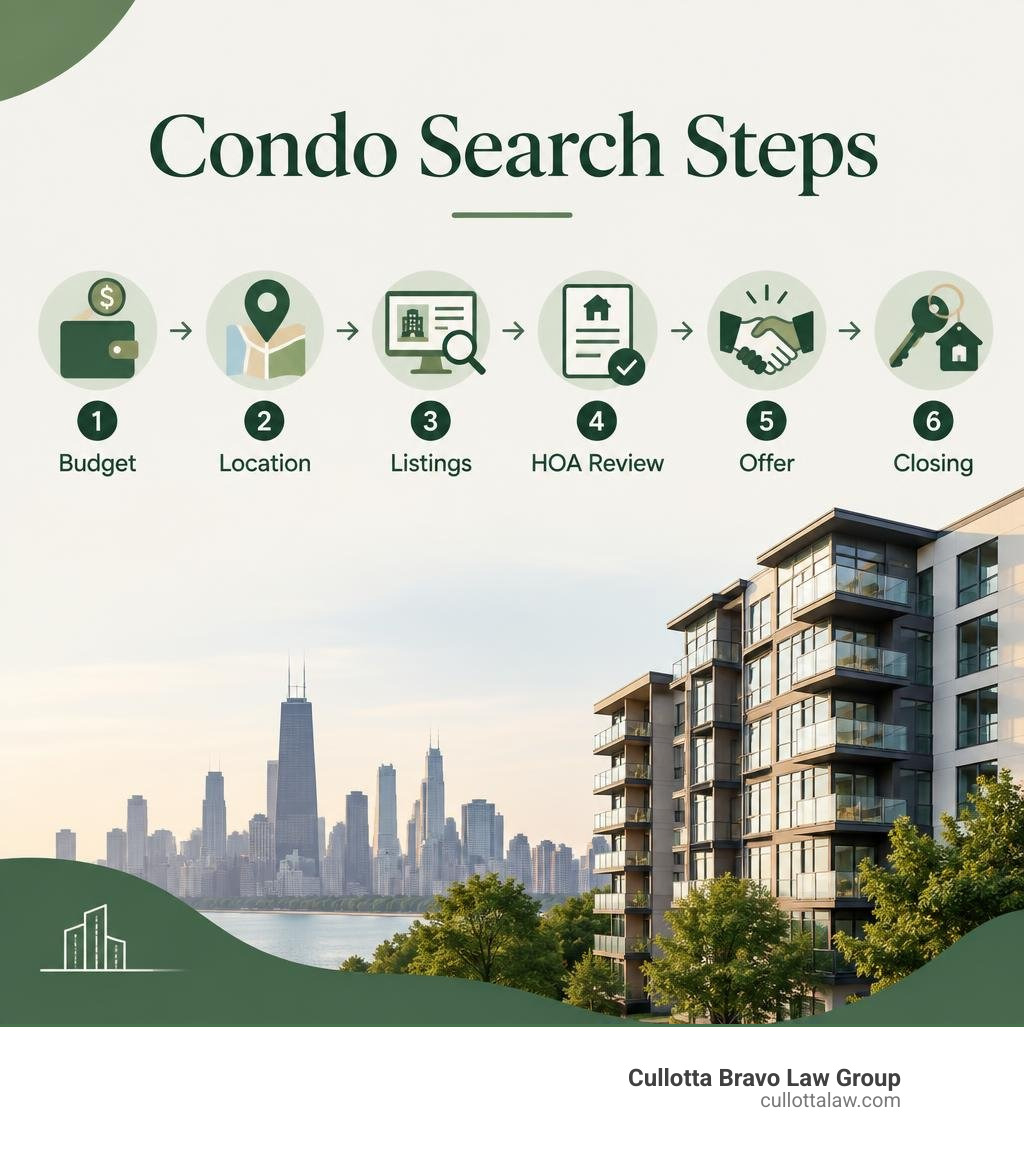
To find condominiums for sale near me without getting overwhelmed, start with four filters: your total monthly budget, preferred neighborhood, minimum bedrooms and bathrooms, and the HOA fee you can afford. Then compare several active listings, save your search for alerts, and check each building’s rules, reserves, amenities, and recent sales before making an offer.
Condo markets can look very different from one city to the next. For example, current listings range from under $100,000 in Oklahoma City to a $400,000 median list price in Chicago. A Chicago condo may average about 38 days on market, while new construction and highly updated units can move on a different timeline.
The listing price is only the starting point. Monthly HOA assessments may pay for exterior upkeep, building insurance, water, heat, security, pools, fitness areas, and reserve funds. They can also come with rules about pets, rentals, parking, and renovations. Reviewing those details early helps you find a home that works for your life and your budget.
I am Peter Cullotta, founding partner of Cullotta Bravo Law Group and a trial lawyer with more than 35 years of experience handling complex legal matters for people across Chicagoland. When evaluating condominiums for sale near me, I believe buyers benefit from careful document review, clear costs, and an informed decision before closing.
Related content about condominiums for sale near me:
Understanding Local Real Estate Markets and Condominium Styles
Searching for your next home begins with understanding the distinct structural styles and pricing dynamics in your target market. Whether you are browsing downtown high-rises or peaceful suburban communities, our comprehensive guide to finding your dream building highlights how property styles shape day-to-day living, long-term costs, and overall resale appeal.
Condominium developments generally fall into three architectural categories:
- High-Rise Developments: Common in bustling city centers, these multi-story buildings feature elevator access, sweeping skyline views, doorman staff, and extensive shared perks like rooftop sundecks or fitness centers.
- Garden-Style Communities: Typically low-rise buildings (one to three floors) nestled in landscaped suburban grounds. They offer easy ground-floor access, lower shared maintenance overhead, and tranquil courtyards.
- Townhouse-Style Condos: Multi-level properties that look and feel like single-family attached homes. They often feature private exterior entrances, attached garages, and small patios, blending private ownership comfort with shared exterior maintenance.
Evaluating Pricing Trends for Condominiums for Sale Near Me
Current market inventory shows that condo pricing varies widely based on regional demand, urban density, and building amenities. When exploring available Illinois condo inventory, buyers will find thousands of active listings spanning diverse price points. In Chicago alone, there are 1,882 active listings with a median list price of $400,000, where units move quickly with an average of two offers per property and a 38-day market turnaround.
Comparing condos to traditional single-family homes reveals significant structural and financial distinctions:
| Feature / Cost Category | Condominium Properties | Single-Family Detached Homes |
|---|---|---|
| Initial Purchase Price | Generally lower entry cost and lower price-per-square-foot in dense urban hubs | Higher median entry point; reflects private land value |
| Exterior Maintenance | Covered by collective monthly HOA assessments (roof, siding, snow removal) | Direct owner responsibility (landscaping, roofing, painting) |
| Shared Community Amenities | Pools, gyms, secure lobbies, party rooms, shared elevators | Private backyard or personal installation costs |
| Utility Inclusions | Often includes water, trash, gas, heat, or common area electric | All utilities billed separately directly to homeowner |
| Predictability of Upkeep | Governed by HOA reserve funds and shared repair budgets | Requires personal rainy-day capital reserves for major structural repairs |
Comparing Condo Property Styles and Square Footage
Living space inside a condominium varies by layout and location. Typical floor plans range from compact 1-bedroom units measuring 550 to 800 square feet up to expansive 3-bedroom residences exceeding 1,800 to 2,000 square feet.
When evaluating floor plans, consider:
- Usable Living Space vs. Common Elements: Your deed grants exclusive ownership of interior living spaces, while hallways, roofs, elevators, and recreation areas constitute common elements managed by the association.
- Outdoor Living: Private balconies, terraces, or garden patios add valuable square footage for entertaining and relaxation.
- Storage and Parking Allocations: Determine whether deeded garage spaces, assigned stalls, or separate storage lockers are included in the base purchase price.
How to Search for Condominiums for Sale Near Me Step by Step
Finding the right property requires combining digital search precision with real-world due diligence. Utilizing a comprehensive checklist for real estate ensures you do not overlook critical property details, zoning issues, or structural inspection findings.

To conduct a streamlined, effective property search:
- Define Your Hard Monthly Cap: Calculate your monthly mortgage, property taxes, insurance, and HOA dues together to know your true financial baseline.
- Set Specific MLS Search Criteria: Filter by unit size, minimum bathrooms, parking spots, and pet rules to eliminate mismatched properties instantly.
- Save Automated Listing Alerts: In fast-moving urban neighborhoods, setting automatic alerts ensures you see new properties the moment they hit the market.
- Evaluate Location and Community Scores: Factor in local walkability, commuter routes, public transit, and school systems before booking private showings.
Setting Filters for Layout, Neighborhoods, and Inventory
Local inventory varies across neighboring communities. For example, buyers exploring suburban options can review Aurora condo listings to find comfortable garden-style homes or browse Naperville listings for family-friendly properties with easy access to shopping and transit. In urban centers like Chicago, a Walk Score of 77 means everyday errands, dining, and transit options are just steps away from your front door.
Filtering New Construction Condominiums for Sale Near Me
New construction developments and gut-rehabilitated historic buildings offer cutting-edge energy efficiency, brand-new HVAC systems, and modern architectural aesthetics. Many newly constructed units feature open-concept layouts, quartz countertops, and pre-wired smart home integrations. For those drawn to classic craftsmanship, historic renovation listings blend historic masonry facades with state-of-the-art residential luxury.
When buying newly built or converted condos, always confirm developer warranty protections, capital contribution requirements, and the timeline for handing over association governance to the unit owners.
Reviewing HOA Fees, Amenities, and Building Rules Before Making an Offer

A condominium purchase is a joint venture with your fellow co-owners. The Homeowners Association (HOA) administers the building’s operating budget, maintains shared structural systems, and enforces community covenants. Consulting an attorney with deep experience in navigating HOA legal representation helps you uncover hidden liabilities within association declarations and bylaws.
Key HOA elements to investigate before submitting an offer include:
- Monthly Assessment Breakdown: Verify exactly what your fee covers, such as water, gas, exterior maintenance, doorman service, elevator upkeep, snow removal, or trash collection.
- Reserve Study Health: Adequate capital reserve funds ensure the building can pay for a new roof, elevator modernizations, or boiler replacements without imposing costly special assessments on individual owners.
- Bylaws and Restrictive Covenants: Read the fine print regarding leasing limits, guest parking rules, noise regulations, and pet weight limits.

Navigating Contracts, Due Diligence, and Legal Representation at Closing
Purchasing real estate requires precise legal documentation to safeguard your financial investment. From drafting initial purchase agreements to examining municipal liens and property titles, our team provides step-by-step guidance in crafting your property sale agreement so your interests remain protected at every turn.
Condominium transactions involve unique statutory disclosures, 22.1 disclosure packets in Illinois, and board approval contingencies. Relying on a condominium law attorney’s expertise ensures that property defects, unapproved architectural alterations, or pending association litigation are uncovered during your attorney review period.
Navigating complex contracts in competitive markets can be daunting. To avoid costly oversights, buyers should never tackle Naperville real estate without a lawyer. By carefully timing your closing, you ensure that title searches, loan commitments, and closing disclosures are executed seamlessly.
Frequently Asked Questions About Buying Local Condominiums
How much do condominiums typically cost compared to single-family homes?
Condominiums generally offer a lower median entry price than detached single-family homes within the same neighborhood. This pricing differential stems from shared land ownership and communal structural upkeep, which reduces initial acquisition costs and routine exterior repair burdens for individual buyers.
What amenities do standard HOA monthly fees cover?
Standard monthly HOA dues typically cover common element property insurance, exterior structural maintenance, lawn care, snow removal, scavenger services, and water. Higher-end communities may also include gas, high-speed internet, on-site management, 24-hour door staff, heated indoor pools, and fully equipped fitness centers.
How long do condos stay on the market in competitive urban areas?
In active urban real estate markets like Chicago, residential condos spend an average of 38 days on the market. Well-priced units in desirable neighborhoods frequently receive multiple offers within their first two weeks of listing.
Conclusion
Finding the right condominium does not have to be a stressful journey. By establishing realistic monthly budgets, filtering listings by layout and amenities, and thoroughly examining HOA financial disclosures, you can confidently secure a home that fits your lifestyle.
At Cullotta Bravo Law Group, we bring over 35 years of aggressive legal advocacy and dedicated client care to protect buyers throughout their real estate transactions. For seasoned guidance from contract review through final closing, connect with Cullotta Bravo Law Group’s real estate legal support to ensure your property rights remain secure.