

Should I Rent My Property or Sell It?
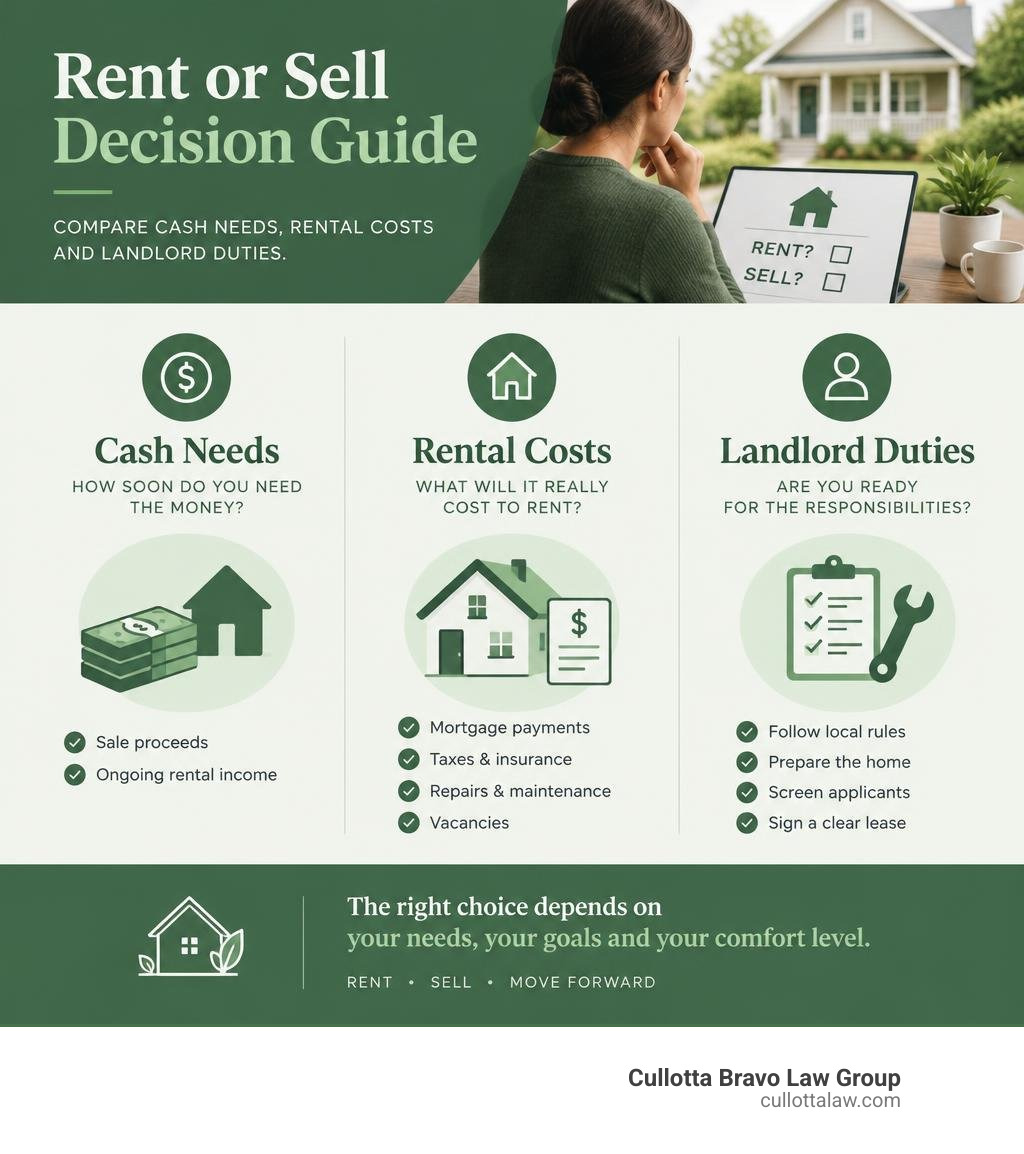
If you’re asking, “Should I rent my property or sell it?”, start with the numbers. Compare the cash you could get from a sale with the rent left after mortgage payments, taxes, insurance, repairs, and likely vacancies. If you choose to rent, check local rules and any mortgage or HOA limits, prepare the home, set a price using nearby rentals, screen applicants consistently, and sign a clear lease.
Renting may provide ongoing income, but it also means handling repairs and the risk of an empty home. Selling may give you cash sooner and end those duties. The better choice depends on what you need now and what you can afford to take on.
I’m Peter Cullotta, a trial lawyer with more than 35 years of experience handling injury and insurance matters. When people ask whether to rent my property or sell it, I encourage them to weigh the costs and risks before making a decision.
Learn more about rent my property:
Renting vs. Selling: How to Decide What Fits Your Financial Goals
Deciding whether to liquidate an asset or hold it as an income-producing rental requires evaluating your broader financial picture. In today’s market, homeowners must examine their current mortgage interest rates, remaining loan balances, and equity positions alongside local appreciation rates in communities like Chicago, Naperville, Aurora, and Joliet.
If you locked in a historically low fixed mortgage rate several years ago, keeping that property and leasing it out could yield strong monthly cash flow while allowing a tenant to pay down your remaining principal. Conversely, if your goal is immediate liquidity to fund a new primary residence, payoff high-interest debt, or eliminate the ongoing responsibilities of homeownership, an outright sale might align better with your strategy.
Tax ramifications also play a decisive role. Selling a primary residence often qualifies for the IRS Section 121 exclusion, allowing single filers up to $250,000 and married couples filing jointly up to $500,000 of tax-free capital gains—provided you lived in the home for at least two of the five years preceding the sale. Converting that property into a long-term rental introduces depreciation deductions and deductible operating expenses, but it may eventually trigger depreciation recapture taxes when you decide to sell down the road.
Before finalizing any contract, understanding closing timelines and legal guidance ensures you protect your equity and avoid costly contract pitfalls.
| Financial Factor | Renting Out Your Property | Selling Your Property |
|---|---|---|
| Immediate Cash Return | Low to moderate monthly net cash flow | Lump-sum equity payout at closing |
| Long-Term Growth | Ongoing property appreciation and principal reduction | Reinvestment into other investment vehicles |
| Tax Advantages | Operating deductions, depreciation, 1031 exchanges | Section 121 capital gains exclusion (if primary) |
| Ongoing Overhead | Maintenance, property taxes, insurance, HOA fees | Zero ongoing liability after closing |
| Time & Management | Active tenant oversight or property manager fees | One-time transaction process |
The Pros and Cons of Becoming a Landlord
Stepping into real estate leasing offers clear financial upsides alongside distinct operational challenges.
Pros of Renting:
- Recurring Cash Flow: A well-priced rental provides consistent monthly income above operating expenses.
- Wealth Building: Over time, tenant payments reduce your mortgage debt while the underlying asset benefits from long-term market appreciation.
- Tax Flexibility: Landlords can deduct mortgage interest, property taxes, maintenance expenses, property insurance, and asset depreciation.
Cons of Renting:
- Maintenance Obligations: Landlords must promptly address plumbing leaks, broken heating units, and general structural wear.
- Vacancy & Non-Payment Risks: A vacant unit or defaulting tenant stops your revenue stream while mortgage and tax obligations continue.
- Rules and Restrictions: Properties subject to homeowners associations may have rental caps or strict leasing bylaws, and government-backed mortgages (such as FHA or VA loans) often require an initial 12-month owner-occupancy period before you can convert the home into a rental.
Key Steps to Prepare and Rent My Property Successfully
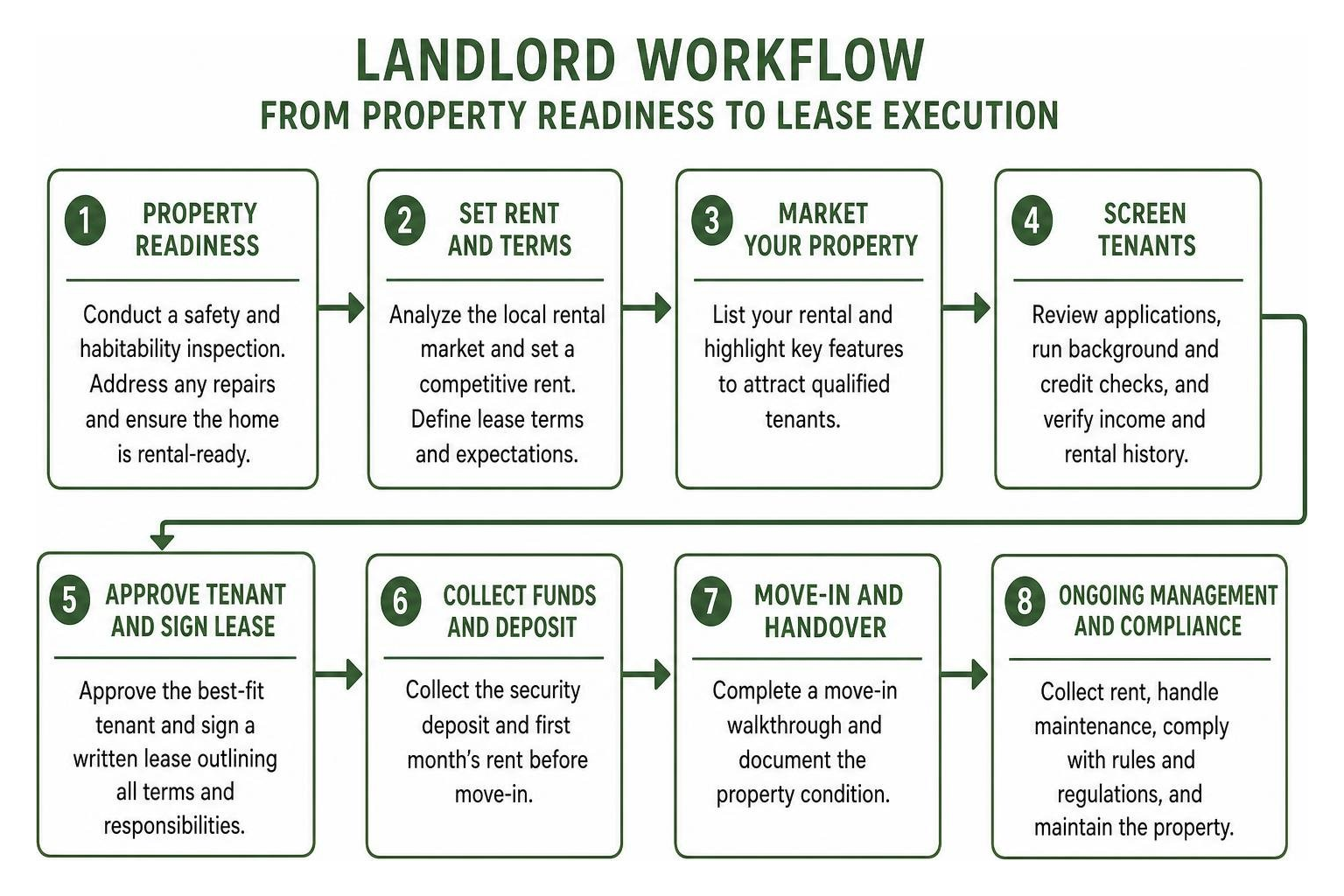
Transforming your home into a marketable rental requires methodical preparation to attract top-tier tenants and protect the physical condition of your asset:
- Conduct a Safety and Habitability Inspection: Check all carbon monoxide and smoke detectors, verify that the HVAC system is fully serviced, inspect water heaters, and address any peeling paint or trip hazards.
- Perform Deep Cleaning and Repairs: Refresh wall paint with neutral tones, clean carpets thoroughly, repair loose handrails, and replace worn weatherstripping around doors and windows.
- Upgrade Hardware for Easy Access: Install keyless electronic deadbolts or smart locks. This simplifies self-guided tours and allows you to update access codes between tenants without physically re-keying deadbolts.
- Stage and Document with Quality Photos: Stage rooms to maximize natural lighting, capture wide-angle photographs of every living space, and create a clear floor plan layout. High-quality imagery directly correlates with higher click-through rates and faster leasing turnaround times.
How Do I Set the Right Price When I Rent My Property?
Pricing your rental accurately from day one prevents extended vacancies that permanently reduce your annual yield. According to industry research, 82% of renters identify price as one of the top three factors influencing their housing decision. Setting your rent even 5% to 10% above fair market value can leave a home sitting empty for months, costing far more than the slight bump in monthly rent would ever recover.
To establish an optimal rate, calculate your total carrying costs—mortgage principal and interest, property taxes, landlord insurance, HOA assessments, and a 10% buffer for maintenance and capital reserves. Then, evaluate active neighborhood comparables, adjusting your baseline for square footage, bedroom count, off-street parking, in-unit laundry, and private yard space.
To stay grounded in hyper-local pricing and demand patterns across Northern Illinois, review resources such as finding Illinois rental market data before publishing your rates.
What Platforms Give Maximum Exposure When I Rent My Property?
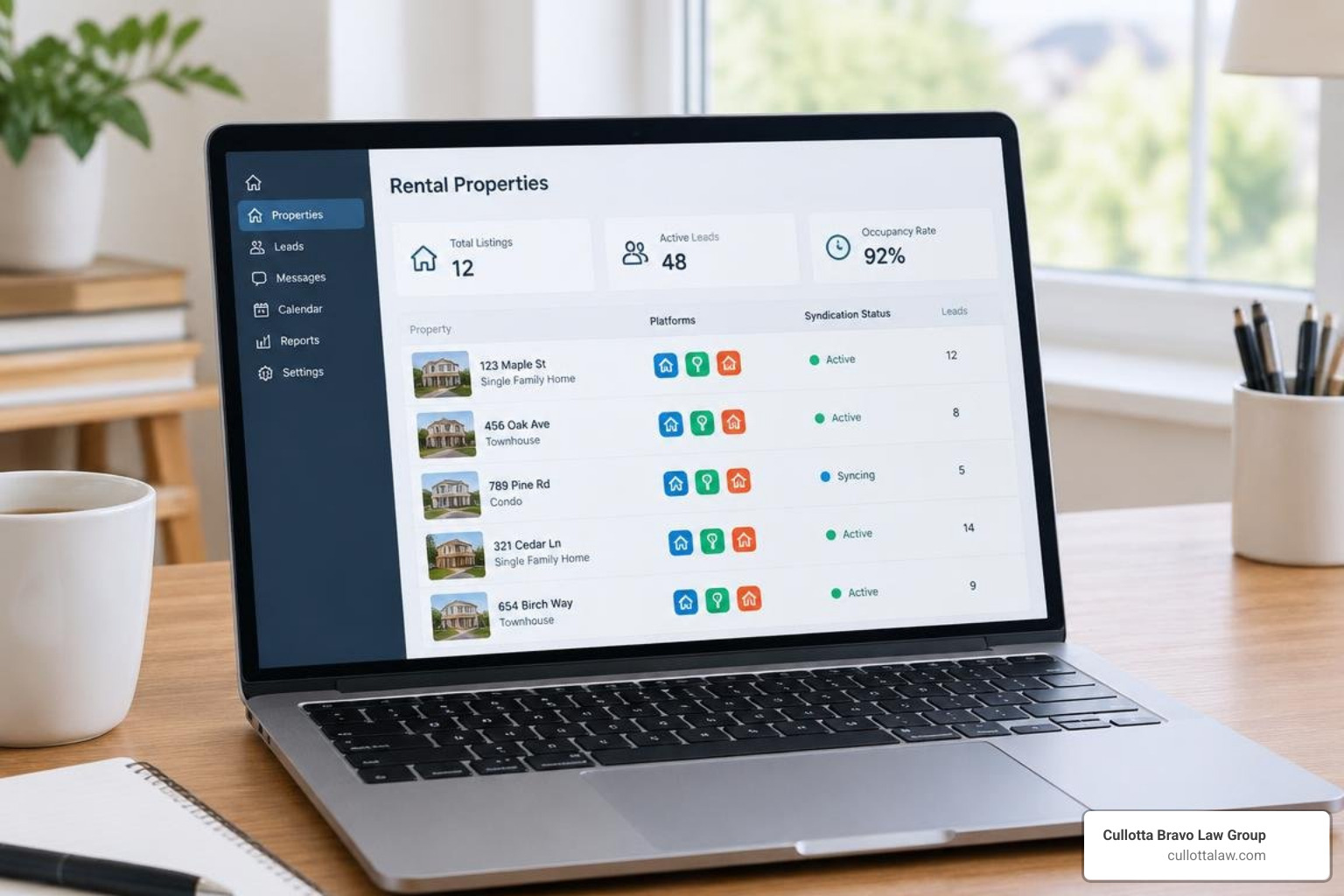
Today’s prospective tenants rely on digital marketplaces to find their next home. In fact, 82% of active renters use three or more listing platforms during their search. To capture maximum demand, you need a multi-channel syndication approach across major consumer networks.
The Zillow Rental Manager network attracts over 30 million monthly visitors and more than 1 million daily visitors, automatically syndicating listings across platforms like Trulia and HotPads. Landlords who utilize Avail report that 86% receive active leads within 30 days of listing. Furthermore, promotional listings offer clear advantages: data shows that landlords who promote their listings are 75% more likely to execute a lease compared to those using unboosted listings. In competitive metro areas, upgraded tools like For Rent By Owner listing tools generate up to 311% more renter inquiries than standard unpromoted entries.
When building your digital listing:
- Write a clear, concise headline highlighting key amenities (e.g., “Updated 3-Bed Ranch with Fenced Yard in Naperville”).
- Detail lease terms, utility arrangements, and pet policies upfront to filter unqualified applicants.
- Respond immediately to incoming messages; prospective tenants often schedule showings with the first responsive property owner.
Comprehensive Tenant Screening and Digital Rent Collection
Finding a reliable tenant is the single most effective way to protect your property and ensure steady cash flow. Implement a consistent, objective screening process for every applicant over 18 years of age:
- Credit History: Evaluate credit scores, payment patterns, and outstanding collections. Look for a track record of consistent, on-time payments.
- Background Checks: Review nationwide criminal records and prior eviction filings.
- Employment and Income Verification: Confirm pay stubs, W-2s, or direct bank statements to ensure the household earns at least 3x the monthly rent in gross income.
- Landlord References: Contact previous landlords directly to ask about payment history, property care, and whether proper notice was provided before moving out.
Once you approve an applicant, streamline your finances with an online rent collection system. Modern property management platforms allow tenants to set up recurring ACH transfers, with funds settling into your bank account in as little as two business days. Automated online payments reduce late payments, eliminate paper checks, and create an indisputable digital record for accounting and tax reporting.
Essential Legal Protections, Leases, and Landlord Insurance

Operating a rental requires strict compliance with federal, state, and municipal housing regulations. All marketing, screening, and leasing practices must align with the federal Fair Housing Act, prohibiting discrimination based on race, color, national origin, religion, sex, familial status, or disability.
In Illinois, residential tenancies are governed by specific statutory requirements regarding security deposit returns, repair obligations, and entry notices. You can reference specific state protections outlined in the Landlord and Tenant Rights Laws published by the Illinois Attorney General.
Drafting an Enforceable Lease Agreement and Move-In Checklist
A verbal agreement or an oversimplified online template is never enough to protect your investment. Your residential lease should clearly state all essential terms and conditions, much like the precision required when drafting comprehensive property agreements for purchase and sale transactions.
Every legally compliant residential lease must clearly outline:
- Names of All Adult Occupants: Identifies every adult living in the home as jointly and severally liable.
- Rent Amount and Due Dates: Clear terms regarding the exact monthly rent, grace periods, acceptable payment methods, and specific late fee assessments.
- Security Deposit Terms: The exact deposit held, where it is deposited, and the statutory timelines and itemized procedures for handling deductions at move-out.
- Maintenance Responsibilities: Clear division showing which minor upkeep duties belong to the tenant versus major mechanical systems maintained by the landlord.
- Property Entry Notice: Defined rules detailing the advance notice (typically 24 to 48 hours) required before entering for non-emergency inspections or repairs.
- Mandatory Disclosures: Statutorily required disclosures, including lead-based paint hazards for homes constructed before 1978, radon hazards, and local smoke/CO detector notices.
Before handing over the keys, walk through the property alongside the tenant with an itemized move-in condition checklist. Document existing conditions, take dated photographs and video footage of all rooms, appliances, and fixtures, and have both parties sign the completed report.
Securing Landlord Insurance and Managing Property Disputes
A standard homeowners insurance policy does not provide adequate coverage once you no longer live in the home. Converting a residence into an income property requires transitioning to a dedicated landlord insurance policy (often called a DP-3 dwelling policy).
A comprehensive landlord policy includes:
- Dwelling Coverage: Protects the physical structure against perils like fire, windstorms, and hail.
- Landlord Liability Coverage: Shields you financially if a tenant or guest suffers an injury on the rental premises and asserts a negligence claim.
- Loss of Income / Fair Rental Value Coverage: Reimburses lost rental receipts if a covered loss (such as a fire or major pipe burst) renders the home temporarily uninhabitable.
Even with strong leases and insurance, neighbor disputes, HOA infractions, boundary issues, or property damage claims can still arise. Knowing the right strategies for preventing and resolving property disputes helps you resolve conflicts efficiently while protecting your rental assets.
Frequently Asked Questions About Renting vs. Selling Real Estate
Should I hire a property management company or manage the rental myself?
Deciding between self-management and professional property management comes down to your available time, proximity to the property, and comfort level with hands-on landlord duties.
Property managers typically charge between 8% and 12% of the gross monthly rent, along with a separate leasing or placement fee to fill vacancies. In exchange, they coordinate marketing, conduct showings, screen applicants, draft leases, manage maintenance requests, and handle rent collection.
If you live close to your property in Aurora, Naperville, Joliet, or Chicago, have reliable handyman contacts, and can respond promptly to emergencies, self-management saves thousands in annual management fees. However, if you are relocating out of state or prefer a passive investment experience, hiring an experienced management team is well worth the operational overhead.
How long does it typically take to find a qualified tenant?
In balanced housing markets, finding and placing a vetted tenant typically takes between 2 to 4 weeks. Homes priced accurately against neighborhood comparables and syndicated across major digital networks often receive initial inquiries within the first 48 to 72 hours.
You can speed up the placement timeline by:
- Upgrading to promoted listings on major rental portals.
- Offering flexible showing options, including evening and weekend time slots.
- Streamlining the application workflow through instant digital screening portals.
What happens if a tenant defaults on rent or damages the property?
If a tenant fails to pay rent or violates material lease clauses, you must strictly follow state statutory legal processes rather than taking matters into your own hands. Self-help evictions—such as changing locks, shutting off utilities, or removing tenant belongings—are illegal and expose landlords to severe financial and legal penalties.
In Illinois, non-payment of rent begins by serving the tenant with a formal 5-Day Notice to Quit, providing five days to either pay the balance in full or vacate. If the tenant fails to cure the default, you may then file a formal Forcible Entry and Detainer action through the local circuit court. When tenants cause damage beyond normal wear and tear, document the repairs with detailed photographs, secure licensed contractor invoices, and provide an itemized deduction statement alongside any remaining security deposit balance within statutory deadlines.
Conclusion
Deciding whether to rent your property or sell it outright is an important financial milestone that shapes your long-term wealth strategy. Renting offers ongoing cash flow, steady debt reduction, and valuable tax deductions, while selling delivers immediate equity and frees you from property maintenance and tenant management. By assessing local market demand, reviewing your financial goals, and putting strong legal and operational frameworks in place, you can move forward with complete confidence.
When navigating complex property transactions, contract reviews, or real estate liabilities throughout Aurora, Chicago, Naperville, and Joliet, having seasoned legal counsel protects your hard-earned assets. Cullotta Bravo Law Group brings more than 35 years of legal experience, providing clear, strategic guidance tailored to your real estate goals.
For personalized legal support with your residential or commercial real estate needs, explore our expert real estate legal guidance to schedule a consultation with our experienced legal team.